How to sell to gyms: what UK operators and founders told us
Gym operators buy a measurable move in something they already track: member retention, staff retention, usage or cash. Get to know the people who run clubs and ask them to criticise your idea, pilot across a handful of sites in different regions, and be there in person until it works.
- 1 Get known
Talk to operators early and ask them to criticise the idea. Everyone in the industry talks.
Watch at 16:23 - 2 Make the case
Show a small, measurable move in retention, staff retention, usage or cash.
Watch at 10:48 - 3 Pilot
Around six sites in six regions, with boots on the ground and champions inside.
Watch at 20:30 - 4 Become a line
A relevant line in the operator’s board pack, in revenue or savings.
Watch at 13:11
David Stalker, chair of ukactive, episode 14Transcript
What gym operators buy
Make the difference to retention or the bottom line obvious straight away
David says the proposition is often clear to the founder, but it has to be clear to the operator immediately: why it matters and what difference it makes.
“the clear proposition is often clear to the entrepreneur, but it's got to be clear to the customer immediately understand why it matters, what difference it's going to make, whether it's going to make a difference to retention, bottom line”
Promise a small, measurable move
A tiny improvement in member retention, staff retention or usage pays back for an operator. David says founders think they need an enormous difference, but a small, simple move is what excites operators.
“you've only got to move retention by a tiny amount, and it's an enormous opportunity. ... if you can move the needle just by a little bit in a simple way, then I think all the operators out there are excited by that.”
Sell against a problem that sits in the board deck
Operators' burning problems, like hitting the numbers through a 1% retention gain or fixing staff retention, show up as a line in a spreadsheet. Pitching that it will feel good doesn't get you through a board meeting.
“they typically will have a line in a spreadsheet, and ideally a line in a spreadsheet that sits in the board deck, that you can then go after. ... but they're essentially trying to sell against some fluffy vibes.”
Aim to become your own line in the operator's board pack
David says board packs once had only membership sales; food and beverage, personal training and supplements each became a line later. Boards ask about results, experience, belonging, convenience and value.
“I think people coming in here should have the ambition of being a line on that. ... I'm bold enough that eventually I'm going to be a relevant line, either in your revenue or in your savings.”
- Membership sales
- Food and beverage
- Personal training
- Supplements
- Your product, in revenue or in savings
“…once upon a time, the only thing that was in a board pack for our industry was membership sales.” Then food and beverage, personal training and supplements each became a line. David’s advice: aim to be the next one.
David Stalker, chair of ukactive, episode 14Watch at 12:50Transcript
Gyms carry a duty of care, so they need output they can trust
Max says a consumer may follow a generic AI workout and hope it works, but a gym with up to 100,000 monthly users needs output it can trust.
“That approach is definitely not good enough for a gym, where you have a duty of care to your users, where, you know, you might have 100,000 people using this a month. You need something you can trust”
A new revenue stream that barely moves the needle won't win a big project
Vor first offered gyms a white-label coaching app as a new revenue stream for their trainers. Gyms found it interesting but didn't commit, partly because most UK trainers in big chains are self-employed.
“That was interesting to gyms, but it just didn't seem to be something that moved the needle for them enough to want to commit to a big project, bring out a new app.”
Count what the operator has to build or spend before your product works
Integrating Vor needed workout-builder functionality in the gym's own app, so only big chains could do it.
“how do you go into your local spit-and-sawdust gym and say, "Okay, I've got this great bit to put on, but you're going to have to, you know, spend maybe 50 grand on app development to build this element into it"?”
How an operator decides
Operators put a model behind every new offer
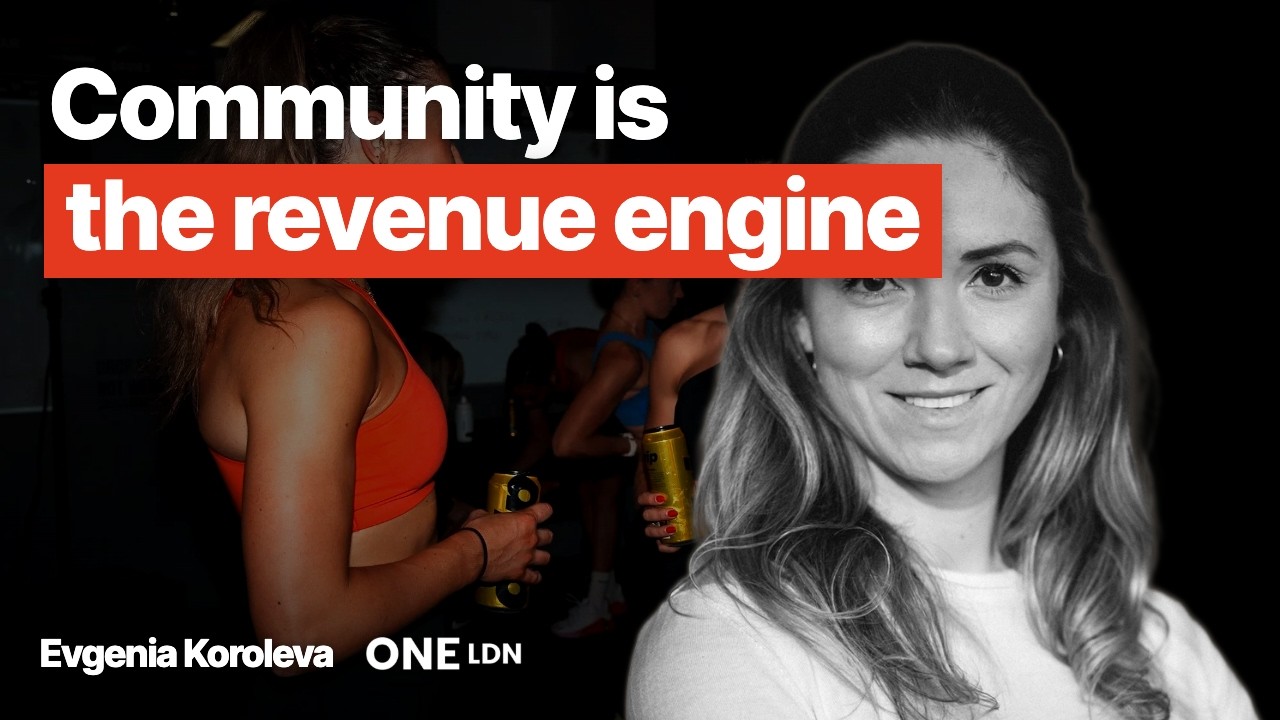
Speaking as a gym owner, Evgenia says ONE LDN puts numbers behind every trend it considers: how much occupancy could rise, and whether that offsets the cost.
“put numbers behind everything. So what do we think the occupancy can rise? And can that, can that offset the expense that it's going to cause, right?”
Operators are always looking for new revenue from their existing space
Membership is ONE LDN's core revenue, but Evgenia is always looking for the next stream. Charging creators to film in the gym brought in brands, and Gymshark filmed two campaigns there.
“But then I'm always, always thinking about what is the new revenue stream that we're going to bring online?”
Gyms partner with brands that share their members and values
Partnerships are one of ONE LDN's lead-generation channels. It started with smaller brands and an eight-week Gymshark activation before Nike came to it.
“partnering with our brands who are like-minded, share similar values, and then they will attract people who will kind of potentially will stick, right?”
Getting in the door
Fitness is a people's industry where everyone talks
David says executives who join from bigger industries are surprised how openly operators share performance, challenges, products and ideas. Make yourself easy to talk about.
“It's an extraordinarily open industry. ... Everyone talks about how performance is going. Everyone talks about challenges, and everyone talks about products and ideas.”
Show operators your idea early and ask them to criticise it
David's first advice to founders new to the industry is to get to know people and not be precious about the idea.
“Literally, no one's going to steal your idea. They're just not. And don't be scared of them. In fact, I would push to trying to get them to be critical of your idea.”
Listen to the people who walk the club floor, and narrow if they tell you to
If an operator says your product suits elite athletes but not everyone else, coming back focused on elite athletes shows you listened.
“You can buy so much goodwill and so much insight by just speaking to people who are walk the floor in health clubs and facilities forever and ever in a day.”
Many gym leaders started on the gym floor, so speak their language
Max says Vor wins trust because its team has decades of personal training experience between them. His ask is always to get in front of the decision-makers.
“you will find people frequently at C-level, or C-level adjacent, who started on the gym floor. ... I always say, just get us in the room, get us in front of those people who need to feel at ease with those decisions”
Small-gym logos make you look small to the big chains
Max is passing on advice David Stalker gave him: to avoid looking like a startup to the big chains, Vor needed big names.
“if you try and go to these big gym chains and all you've got is that spit-and-sawdust, you know, tiny gym around the corner, or a three-gym chain, you're going to look small.”
Don't pitch the biggest chains before you're ready
Vor met the world's biggest gym chains in 2023 through introductions. Max wishes he'd waited a year or two: you only get one first impression.
“We were speaking to the biggest gym chains in the world because we could, and just because you can doesn't mean you should.”
Running the pilot
Winning the pilot is the start: have the team to deliver it
David says a common failure is founders who get the pilot but haven't built the team to deliver it.
“be prepared that once you go to that pilot, gosh, you've got to deliver. ... sometimes I've seen with founders fail is they've gone in there and they haven't created the team in order to deliver.”
Pilot at around six sites in six separate regions
Results depend on the people at each site. Keeping the pilot in one region means relying on one regional manager's commitment.
“If you've got through the door to get to pilot with someone, Gym Group, PureGym, David Lloyd, I think don't be overambitious with your pilot. ... let's say, at six sites in six separate regions”
6 sites in 6 separate regions
So results don’t rest on one regional manager. The cities on the map are an example.
Then at every site, boots on the ground:
- Implemented
- Followed up
- Checked
- Questions answered
- Phone calls
- Trips out
David Stalker, chair of ukactive, episode 14Watch at 20:30Transcript
Put boots on the ground and find champions inside the operator
Pilots need people on the ground to implement, follow up, answer questions and visit, plus champions inside the operator.
“Secondly, make sure that you have the boots on the ground to make sure that those pilots are implemented, followed up, checked, questions answered, phone calls, trips out. Find the winners on the ground to help you.”
Smother the pilot
Handing over logins and checking in later isn't enough. The goal is the successful outcome, by whatever mix of technology and people it takes. David backed the word.
“we were smothering people for that pilot period and beyond, to be honest, like the goal was the successful outcome. And we would do whatever it took, technology or people to make that successful outcome happen.”
Keep trials small enough for founders to be there
Gym staff care about people and value one-to-one attention, but they absorb training fast and forget it. Founders or senior people on the front line matter more than anything.
“Remembering the people who work in this industry, they care about people. ... They tend to be sponges, and then they forget things. ... keep those trials to a manageable bit where you or your other key founders amongst you or your senior people are available.”
Selling through partners
If gyms lack the tech to plug you in, partner with whoever already sells tech to them
Vor ended up integrating mainly into fitness tech companies that sell to enterprise gyms.
“if the gyms don't have the technology for us to integrate with, who is selling to enterprise gyms that has the technology, and can we integrate with them?”
Win the partner, then the end user, and the gym buys it off the shelf
Partners were already looking for AI workouts, so Vor focuses on the member experience, because gyms care about retention.
“And then it makes sense, if the price is right, for the gym to buy this from the partner we're working with, because it's an off-the-shelf, white-label solution that solves their problems.”
Going direct, the gym first has to build the feature into its own app: “maybe 50 grand on app development”. Through a fitness tech partner that already sells to enterprise gyms, the gym buys it off the shelf, white-labelled.
Max Cotton, founder of Vor, episode 7Watch at 28:33Transcript
Embed your product in the operator's membership and tailor it to the site
Stride's gym and resort partners include Stride in their membership fee, and Stride tailors its advice to what that facility offers.
“you take our products, we embed it into the membership for that customer ... So we don't tell someone to use something which they don't have access to in that facility, for example.”
Questions founders ask
How do you sell a product to UK gyms?
Sell a small, measurable move in a number the operator already tracks: member retention, staff retention, usage or new revenue from space it already has. Get to know operators early and ask them to pick your idea apart. Count what they would have to build or spend before you work, and if they lack the tech to plug you in, sell through the fitness software companies that already supply them.
How do you run a pilot with a gym chain?
Run it across around six sites in six separate regions, so the result doesn't hang on one regional manager. Have the team to deliver before you win it, put people on the ground, find champions inside the operator and keep it small enough for founders to be there. Decide upfront which number you will move: that result is what the operator takes to its board.
What should a gym partnership proposal include?
The operator's number you will move and by how much, kept small and measurable; what the gym would have to build, spend or change for you to work; a pilot plan across several sites in different regions; and who from your team will be on site to deliver it. ukactive chair David Stalker says the difference has to be clear to the operator immediately.
How do you get your product into gyms?
Through people first. David Stalker calls fitness a people's industry where operators talk openly, so meet them early and ask for criticism. If gyms can't integrate you, partner with the fitness tech companies that already sell to them, as Vor did. Stride is included in its gym and resort partners' membership fees, and ONE LDN brings in brands that share its members.
Why won't gyms buy my fitness app?
Usually because the gain is too small for the work. Vor founder Max Cotton found a white-label coaching app as a new trainer revenue stream didn't win commitment, partly because most UK trainers in big chains are self-employed, and integration needed features only big chains had. Gyms also carry a duty of care, so AI output has to be trustworthy.
Should you pitch the biggest gym chains first?
Not before you're ready. Max Cotton met the world's biggest chains in 2023 through introductions and wishes he had waited a year or two, because you only get one first impression. He also passes on David Stalker's advice that small-gym logos make you look small to the big chains, so build towards recognisable names.
How do gym operators decide whether to take on a new partner?
They put a model behind it. ONE LDN founder Evgenia Koroleva says every new offer gets numbers: how much occupancy could rise and whether that covers the cost. Operators are always looking for new revenue from their existing space, and partner with brands that share their members and values. At big chains, results end up in the board pack.
The episodes
All episodes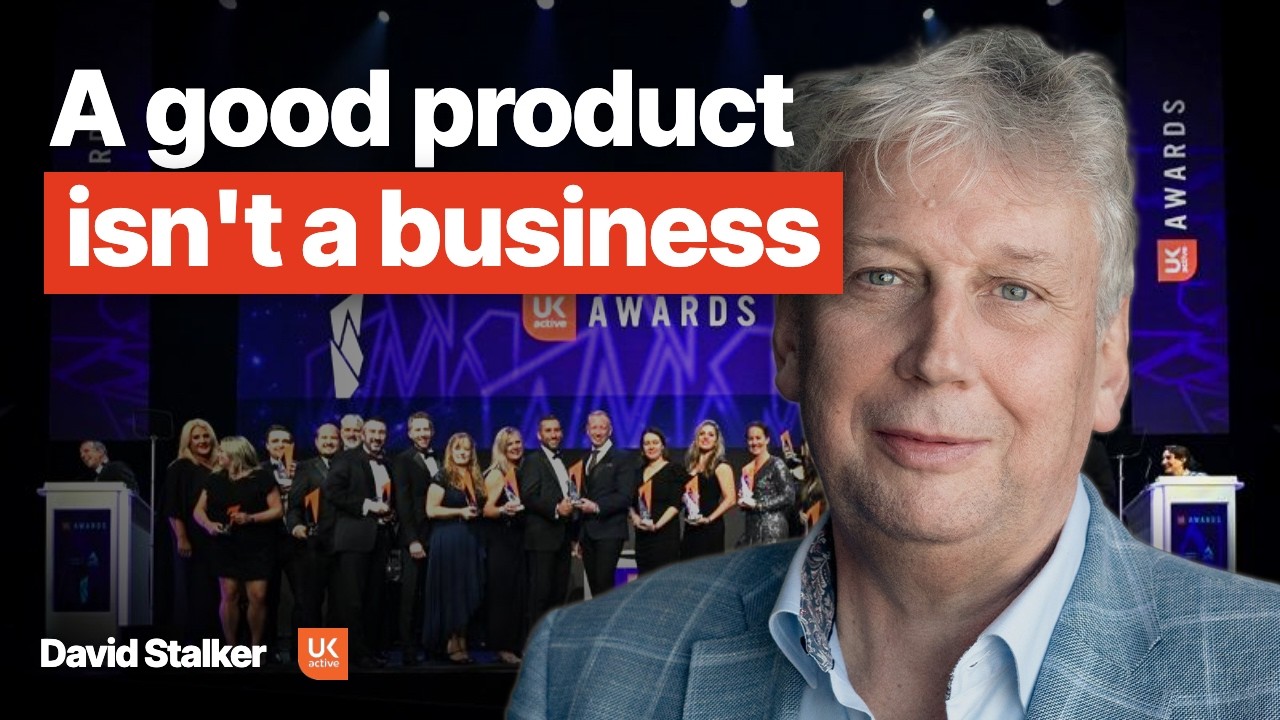





Get the next lesson every week
Healthier Notes is the weekly email to help grow your company: what founders on the podcast learned, the week’s UK health and fitness raises, and one thing you can use.