Episodes · How to sell to gyms
Fitness industry legend: How to sell to gyms in 2026
Also onYouTube
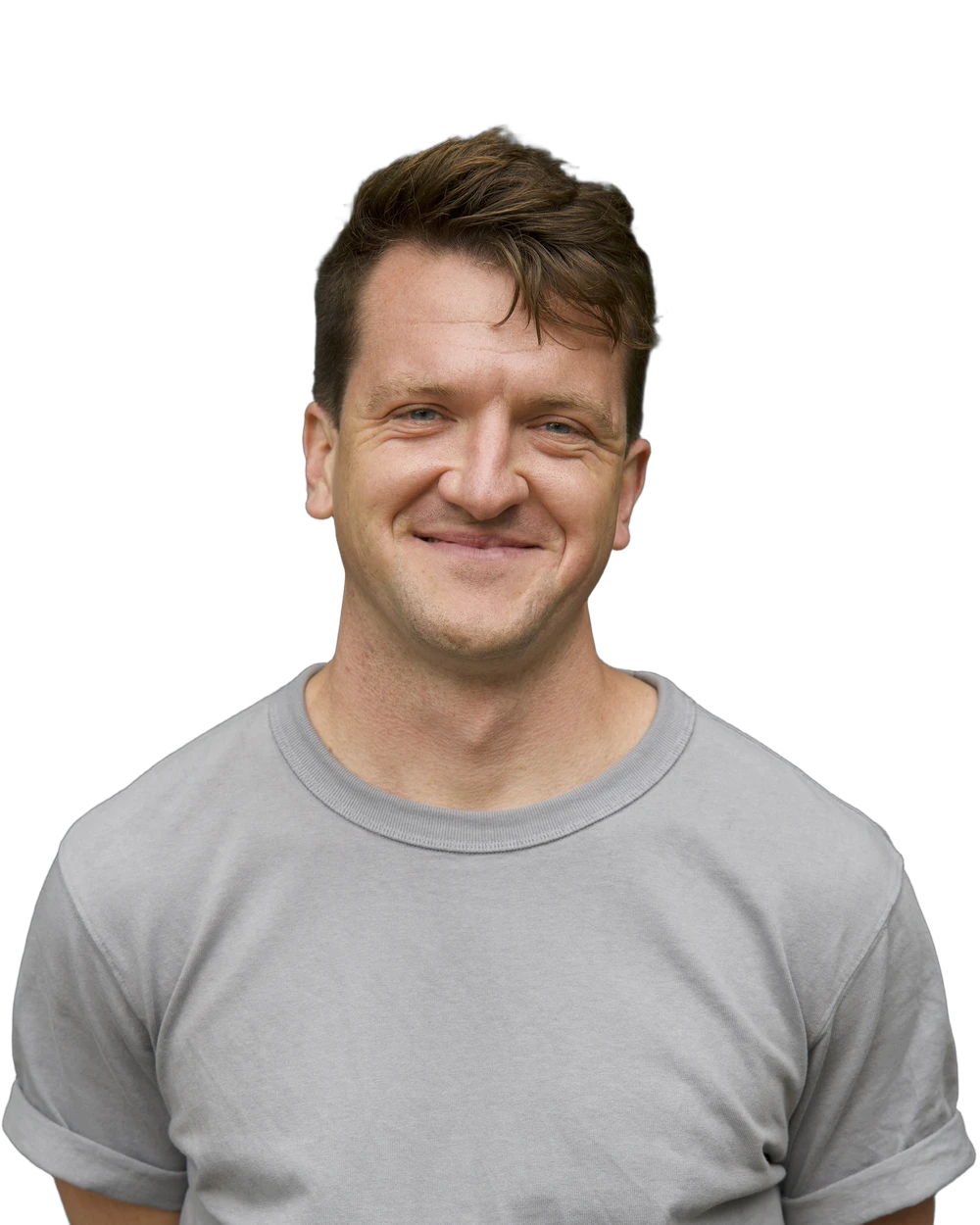
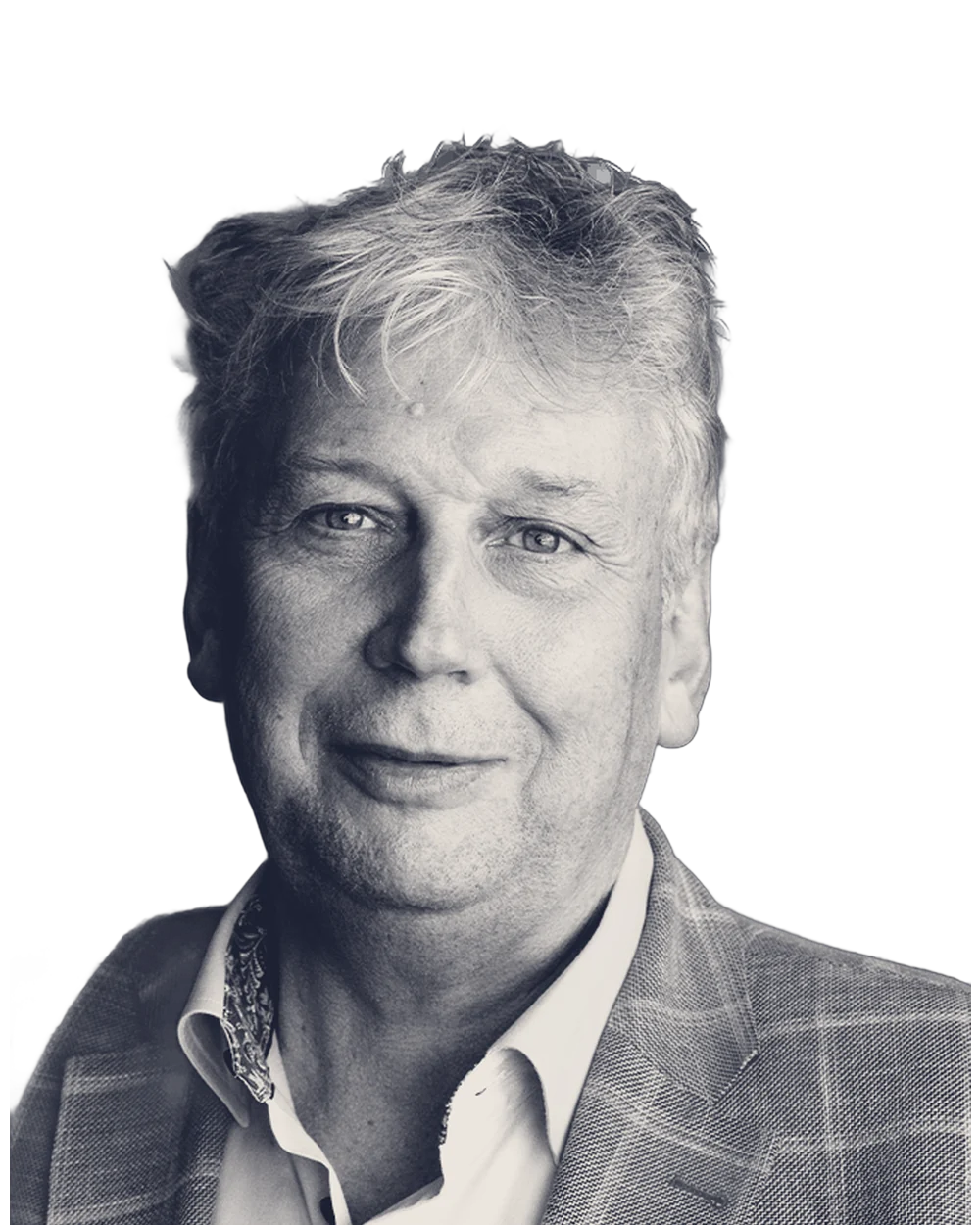
ukactive chair David Stalker on how founders can sell into gyms: become a line in the operator's board pack, run a pilot across six sites in six regions, and put people on the ground to make it work.
PlaybookSelling into gyms: David Stalker's pilot checklistRead the playbookWhat you'll learn
- Why operators buy measurable moves in retention, staff retention and usage.
- Why your ambition should be to become a line in the operator's board pack, in revenue or in savings.
- Why so many founders confuse a good product with a good business idea.
- How to use an industry where everyone talks, and why nobody is going to steal your idea.
- How to run a pilot across six sites in six regions, with boots on the ground and champions inside the operator.
- How founders get in their own way as they scale, and David's four filters for any opportunity in 2026.
Get the next one in your inbox
One email a week on what founders like David Stalker are learning, plus the investor map and every playbook. Free.
Questions this episode answers
How do you sell a product to UK gyms?
Show a measurable move in something operators already track: member retention, staff retention, usage or cash. David Stalker, chair of ukactive, says founders should aim to become a line in the operator's board pack, in revenue or in savings, the way personal training and supplements did. Small, provable improvements are enough.
How should a fitness tech startup run a pilot with a gym chain?
Keep it small and spread out. David suggests six sites in six separate regions, so results don't depend on one regional manager. Put people on the ground to implement, follow up and answer questions, and find champions inside the operator. Stay close enough that you or your senior people can be there in person.
Why do health and fitness startups fail?
David says many founders confuse a good product with a good business idea, underestimate how much cash they need and try to do too much too early. He would back a moderate idea with a great execution plan over a great idea without one, and wants founders to explore objections instead of dismissing them.
What should founders build in UK fitness in 2026?
Simple tech that measurably helps retention, products built around strength, and products for older members, a market David says is underserved and has more health needs. His four filters: does it move the industry from fitness to health, impact a community, raise industry standards, and produce data you can measure?
Will gym operators steal my idea if I share it?
No, says David: nobody is going to steal your idea. UK fitness is unusually open, and operators talk freely about performance, challenges and products. Ask them to criticise your idea. Listening buys goodwill, and their objections often show where a simpler version or a narrower first market would work better.
About David Stalker
- Chair of ukactive
- Appointed October 2025 for a three-year term (Health Club Management)
- 3,500+ members
- Led the move from the Fitness Industry Association to ukactive as CEO (Leisure Opportunities)
- Chair of CIMSPA
- Appointed August 2014 to lead its transition and hire its first full-time CEO (Leisure Opportunities)
David Stalker is chair of ukactive, the trade body for the UK's gym and leisure sector. He started as a personal trainer in the late 80s, became managing director of a company that grew to run 100 local authority sites, ran the Fitness Industry Association as it became ukactive, and chaired CIMSPA as it hired its first full-time chief executive. He now mentors founders and advises companies across the industry.
Transcript
Read the full conversation
Welcome to Healthier
Will: Welcome back to Healthier, the place for people building in fitness, health, and wellness. I'm so excited today to have David Stalker join me. David, I would love for you to give a quick introduction to yourself. There is a lot to talk about where you've been, where you are now, and then we can dig into some of the amazing insights that you have from your time in the industry.
David: Brilliant. Thank you Will and thanks very much for inviting me on your podcast. I will make it brief because I've been in the industry a long time.
From personal trainer to chair of ukactive
David: In quick summary, I started as a personal trainer in this industry that's in the late 80s and was probably as bad an example as a personal trainer as has ever been, but moderately successful or quite successful because I think I'm a people's person. I'm good at listening to people and seeing where they go. Anyway, it was the 80s with the beginning of the health and fitness industry. And I got involved with a company which I later became managing director of, which grew to run 100 local authority sites throughout the country. So I went from fitness instructor to fitness manager to helping set these up. It was an exciting time for the fitness industry. Worked with LA Fitness, who were the UK LA Fitness when they were going on the market, set up a supplement company in the Channel Islands, worked with a venture capital company in Switzerland, set up the Fitness Industry Association used to exist.
David: I moved that and became chief executive and moved that to ukactive, helped set up EuropeActive, the equivalent and those are the trade bodies who are trying to drive it forward or get messages over as tricky as it is to government. 2012 Olympics, I was part of the group that set up the Chartered Institute, CIMSPA, using the back of the Olympics. And that has grown and I was their first chief executive and then pointed Tara, who's the chief executive currently have come back as chair of ukactive. I mentor quite a lot of up and coming executives in this area. Some are entrepreneurs just coming into the industry. And some are people who are in the industry who I think will be the firm foundation going forward. And I act as a strategic advisor to some well-established companies and sit on their board in the industry and to other startup companies where I'm excited by what they're doing and excited by the people.
Will: When I was introduced to you by Max, I said, oh yeah, I'm going to aim to meet David at this event.
The queue to meet David
Will: And he said, I would try and meet him before because I've never seen a queue like it for people trying to speak to any fitness event. So you are definitely a man who is in demand and kind of clearly got a huge amount of experience and insight into what makes fitness businesses in the UK in particular succeed and fail. And I think that's what's so exciting for me to chat about today because I think there's so much that our audience, they are typically building businesses or investing in businesses or wanting to work in businesses in the fitness industry, in the health industry.
What makes fitness businesses succeed
Will: I'd love to start with a really easy question, David, which is from everything that you've seen, the businesses that you've advised, the businesses that you've chosen not to advise, the businesses that you've worked for, businesses that you've interacted with as part of trade bodies. Are there kind of emerging traits and patterns for today's day and age that make some succeed and others fall by the wayside?
David: Yeah, I think there are. I mean, entrepreneurs and the people by nature tend to have a lot of these traits, but whether they use them as successfully as they could or where the focus is. So the clear proposition is often clear to the entrepreneur, but it's got to be clear to the customer immediately understand why it matters, what difference it's going to make, whether it's going to make a difference to retention, bottom line, or whatever it happens to be, the clear proposition. And a real great execution plan is much better than a great idea, how it's going to follow through. I'd rather a moderate idea with a great execution plan that's laid out in front of me that we can confidently see where it's going. Strong people, entrepreneurs tend to be strong people and the people around them tend to be strong, which is great.
David: Where they fall down a bit is they're creating a culture around themselves. And I think often they need to look at creating the culture around the product and the industry that they're going into. So make sure they get that right. A relentless and absolutely relentless focus on the customer. A lot of the people listening, this will be common sense, but I'm saying go back to these points. I know that entrepreneurs have this mindset, but complete asking, have I strayed a way to thinking of my product as opposed to the customer? Is it completely clear? Do we have the ability to adapt without constantly changing direction?
Will: It's so tempting having we both run businesses. It's so tempting to be like, but I know I've got this thing and it's amazing, and I can tell you all the ways in which it's amazing instead of saying, so what is it that you need? And does my thing actually help with that thing that you need? So today, we were taking this early September 2026.
Where would you spend £5m to £10m?
Will: If I was to give you a big pot of money, 5, 10 million quid, really big pot of money, to build something that the UK, that would succeed in the UK health and fitness industry today.
Good product, bad business
Will: Where would you be spending that money?
David: A lot of people fail because they confuse a good product with a good business idea. And then, actually 5, 10 million pounds is an awful lot of money, but they often underestimate cash. That type of thing and try to do too much early. So I don't like knocking people's ideas because creativity is what entrepreneurs have got there. So where I think they fail, perhaps, is in the research and not asking the questions. And when people say, well, I'm not sure about that, they often think, well, I am, as opposed to exploring why they're not.
Simple tech that helps retention
David: The tech is the dominating area for the industry, how you can come and make a difference in that area. So it's tech solutions that I would be looking at, but it's the simplicity of that tech solution. So if I could look at that solution and say, what's the evidence this is going to make a difference? And it's quite easy. So retention, industry goes on forever about retention. And I'm not too sure that the industry is asking itself the question, why aren't we retaining people? Your question is, how will this help people stay in the facility? How will this make their journey that much more, yeah, become part of their life? If you can give something into this industry that isn't complicated, which gives the users, the consumers at the end of the day, a measurable tool to see that they're making a difference.
David: And this is in a world where data is being flooded at us. So I'm trying to move back to simple from complicated. If you can get onto a product which somebody can implement or not an app, but a technological solution, where are the big things, strength?
Strength and the older market
David: If you've got something which looks at a strength outcome, I think, you know, everyone, it's the big thing there that people are talking about. If you've got something that focuses on an older market, which is tricky with the tech, but let's not be naive. I'm in my early 60s, and I'm not tech savvy, but neither am I tech naive. I'm a big market. And many people aren't looking at that market, and they really should be. And there's more health issues in that market. If we're moving this industry from fitness to health, they're a great opportunity.
Will: So that's super interesting to see what you're saying. So you would focus squarely on how do I help gyms to retain customers. And then there was something else I think you said, which is in retention, you'd be trying to essentially help members of those gyms to see how they are getting their outcomes or getting closer to their outcomes. Is that right? Yeah. And then strength in order.
Move retention by a tiny amount
David: Exactly. And those outcomes should be really clear. We think that this will have a measurable difference on your retention rate, on your cash, on how long your staff say, on your customer satisfaction. And if you're going to back yourself on that, I mean, you've only got to move retention by a tiny amount, and it's an enormous opportunity. But likewise, you've only got to move staff retention by a tiny amount, and you've got better customer service, and it all pays back. You've only got to move usage by a tiny amount. I think people think this is the thing that's going to make this enormous difference. But if you can move the needle just by a little bit in a simple way, then I think all the operators out there are excited by that.
Become a line in the board pack
Will: Everything you've just said is something that could come out of a board meeting as a, okay, this is a burning platform, we need to fix it, right? So you could imagine UK GymCo coming out, having a board meeting and going, guys, we need to hit this year's numbers, and if we move retention by 1%, that's going to help us hit. Or guys, our staff retention is really causing us issues, we need to solve it. And it's those kind of problems that you want to be solving. And they typically will have a line in a spreadsheet, and ideally a line in a spreadsheet that sits in the board deck, that you can then go after. I think sometimes I chat to founders, and they might have some amazing products, but they're essentially trying to sell against some fluffy vibes.
Will: It'll be really cool if you're using this. Or don't you understand, it's going to make things feel really good. That is great. But no one is coming out of the board meeting going, hey, we need to call 100%.
David: Oh, well, they're coming out of a board meeting is saying, what results is this doing? And I could quantify it. What is the experience it's giving people? Do people have a feeling of belonging as a result of what's happening here? Is it convenient? And the value, ultimately, results, experience, belonging, experience, value, I can apply these factors against this product, it doesn't have to hit everyone, but it needs to be able to show. You're right. The board meeting is where once upon a time, the only thing that was in a board pack for our industry was membership sales. That was it. And then food and beverage sort of was added in there, suddenly became a line. And then personal training became a line. And the supplements became a line. I think people coming in here should have the ambition of being a line on that.
David: I'm bold enough that eventually I'm going to be a relevant line, either in your revenue or in your savings.
Will: That's the idea that people in those board meetings are at the industry conference, and then someone speaks about it. And then the CEO of the, I don't mean this disparagingly, but they might be on the up like a level C firm goes, well, I saw level A talking and they're doing X, what are we doing about X? And then the email gets sent at five o'clock in the morning, and then some director needs to do something about it, and they come and knock on your door. And it's exciting times.
An industry where everyone talks
David: And Will, in this industry, that is really, I'm going to say is on steroids. It is still very much a people's industry. It's an extraordinarily open industry. I've known many CEOs have come into the industry from much bigger, much bigger players. And all of them say, when I say, are you enjoying this industry? They say what we love about this industry is you will talk. You will talk and you talk about things that we never would have spoken about. Everyone talks about how performance is going. Everyone talks about challenges, and everyone talks about products and ideas. And they just super interesting.
Will: So then maybe another tactic for a founder in this space would be to become talk aboutable or become easily talk aboutable.
Likeability
David: Exactly that, which is why sitting alongside the product is likeability. And that's not just likeability of the product. It's people who are driving that product. I work with people if I believe in the product. I'm very old school. I'm much more concerned about making a difference to the health of this nation. I believe people will get the commercial benefits out of that. It's just an enormous opportunity in the greatest possible time. Imagine that.
Will: Imagine actually caring about the outcomes. How old-fashioned?
What founders from outside need to know
Will: You said something interesting there. You said about you have execs come in from other industries and they're surprised about how much people in this industry talk. And then you also talked about you're talking to founders and they know everything about their products, but you've got a lot to teach them about how this industry works. I'd love to put on those two threads and ask what else do execs find themselves surprised about or what should founders know if they want to make it in this industry in particular that might be a little different? Or if I'm maybe a heads down founder who has some amazing piece of tech, what do I need to know about how to actually bring that to life and make an impact on the health of people in the UK and pick up the commercial benefits for that?
David: Yeah, I think if you're a founder coming in and you've had nothing to do with the industry in the past, I think that first thing, get to know people in the industry. Get to know people and I think don't be scared of talking to people about what you're planning.
No one is going to steal your idea
David: Literally, no one's going to steal your idea. They're just not. And don't be scared of them. In fact, I would push to trying to get them to be critical of your idea. Because if people have views, they like the idea, they get the idea, they say, yeah, but that's going to be really quite complicated because I've got to take that onto the shop and deliver that to that product, which I can see suiting ex-HYROX elite athlete, but I don't see how it suits the other side of it. So will there be a simpler, simpler version and you haven't thought about that. Now, if you came back to market and said, we are just focusing on the elite athlete, that person will feel that you have listened to their viewpoint. They won't go, oh my God, they haven't managed to solve it for everybody.
David: You can buy so much goodwill and so much insight by just speaking to people who are walk the floor in health clubs and facilities forever and ever in a day. I think founders are naturally either getting back to using their own money and it's worrying and it's my idea and it's precious and all the rest of it. I just wouldn't be over precious about it.
Healthier Notes
Will: Hey, Will here from the future. If you've enjoyed this episode or you're enjoying it so far, then you will love our note. The note is a weekly email that we send out, which includes our learnings and playbooks from the people we're speaking to, includes any invites to future events as we're building Healthier, the place for founders in health, fitness and wellbeing. And it includes any new episodes. So go to healthierco.com and sign up and we'll see that.
UK vs US founders: be bolder
Will: I think there's quite a British thing as well. We're not drawn to talking about vision. We're not drawn to talking about what's the big change we want to make. As you mentioned earlier, we want to become our own line on the board. That feels quite American. You're much more likely to bump into a UK founder and they'll tell you the stuff they did a year ago that's 100% bulletproof instead of even the stuff that they've been working on over the last few months that might not be absolutely perfect. Whereas you bump into a US founder, you bump into someone who's just gone through Y Combinator or going through Y Combinator. They'll tell you about the product that's going to exist in 10 years, maybe, if everything goes right. And then they'll talk about that like it exists today.
Will: The best part is probably somewhere in the middle, but maybe we can move slightly further on that scale.
David: Yeah, I think it's interesting the American versus British difference. I think if you're curious, you're self-aware, you've got a commercial understanding, all those things, the ability to listen. These are things we should be able to do. But I think we sit there thinking, how are we going to make a difference to health and fitness? But actually think about where it could go, where it could go. If you say your product is going to make a difference in moving fitness to health, that's a massive statement. So how is it going to be bold, be bolder, and then get people to give you their views, talk about your product. That's the next bit. Once you're out there selling and going there, be prepared that once you go to that pilot, gosh, you've got to deliver.
Be ready to deliver
David: And that's the other area where I think that sometimes I've seen with founders fail is they've gone in there and they haven't created the team in order to deliver.
How to run a pilot
Will: So let's imagine I am founder of ABC tech, and I've just got my pilot with the Gym Group. They've taken us on. They believe that we can help move their retention in the right direction, and we've got the product to roll out. How am I going to get that pilot right? And what have you seen in terms of people getting it wrong?
David: If you've got through the door to get to pilot with someone, Gym Group, PureGym, David Lloyd, I think don't be overambitious with your pilot. I would say, yes, we're going to pilot this product. I would like to pilot this product, let's say, at six sites in six separate regions, and identify. And the reason for that is because a lot of whatever product you do will be as a result of the people who work in those sites. And if you end up in one region with one regional manager and the rest of it, you will be relying on their commitment to help you.
Boots on the ground
David: Secondly, make sure that you have the boots on the ground to make sure that those pilots are implemented, followed up, checked, questions answered, phone calls, trips out. Find the winners on the ground to help you. Who's the person within Gym Group or whoever it happens to be in the structure wherever who are going to be your champions.
Will: I think that's really important, right? So I had an enterprise tech company for a long time. And you start off thinking we're a technology company. And I mean, this is totally naive, but this is probably how it was for the first couple when we get the pilots. So what we do is we give them the keys to the tech, we give them their logins, and we tell them how to use it. And then we check in and say, how did it go? We know our tech's great. So I assume that was great.
Smother the pilot
Will: And let's get that bigger PO, please. And then by the time I moved on from that company, we were smothering people for that pilot period and beyond, to be honest, like the goal was the successful outcome. And we would do whatever it took, technology or people to make that successful outcome happen. And it's interesting because I think there's probably founders out there now who have got Claude Code and you can automate a million different emails to tell people how to use your product. You could build in a second some beautiful training website. You could do all of this stuff. But actually, I think that that makes boots on the ground even more valuable. And that makes actually turning up to the gym, to the head office, finding that person sitting next to them, watching how they're using it, checking in with them on a phone call, WhatsApp-ing, texting, all of that stuff.
Will: What can AI not do that you can do to be a human being that could become successful? There's that old thing of person to hug. I think that one point of contact that you can get in touch with.
David: Well, I love to hear it because you used a word right at the beginning of what you said there, smother, you moved to smothering. And it's not often you use the word smother with such a positive outcome. But honestly, it is so important. Remembering the people who work in this industry, they care about people. They're not necessarily always the intellectual leaders, but they really appreciate that one and what one also wants more. They tend to be sponges, and then they forget things. And nothing will be more important in this industry than the personalities who are bringing this forward being there on the front line, which is why I say, keep those trials to a manageable bit where you or your other key founders amongst you or your senior people are available.
Will: I'd love to change tack for this last bit, which is to talk about scaling.
How founders get in their own way
Will: So I guess a lot of what we've talked about so far has been how are these kind of founders that are maybe early on in their journey going to take those first steps? What should they know? I'd love to talk about how companies can go from good to great. At what point do these founders tend to kind of get in their own way?
David: Yeah, I think founders do, not always, but often do get in their own way. I think they need to know when to lead and when to delegate. All founders grow teams. The best founders are the ones who are listening to the people who they bring into those teams, and they see them as entrepreneurial as they see themselves. So in other words, they say, okay, you're in my team. You are my expert on X. You kick on. You crack on. You don't need to tell me everything you're doing. I just want you to go and make a difference in there, make your mistakes, and own it. I see too often founders micromanaging that situation, and that often comes because they're worried about cash and the rest of it. Everyone will go, these founders, they're all these alpha people.
David: What they are is founders are exciting people who are trying to make a difference, who really believe in themselves probably a little bit too much, and they're really driving. Without them, none of these businesses would happen. But recognizing at what point do I need more diplomatic people in my team who are able to take an idea and drive it forward in a realistic time scale to turn around to me and say, no, we're not doing that. We're not doing that because we're not doing this properly yet, that from a me mentality to that team mentality. Otherwise, not that they will fail, but they'll never scale in my view to the level that they could.
Will: I'd love to finish off with a little bit of navel gazing.
Where to build in 2026
Will: With all of the access that you have, with all of the insight that you have, with all the experience that you've got, what do you think is interesting in terms of problems to help the industry solve, in terms of opportunity, in terms of places to build companies as we sit here in 2026?
David: I think ideas are plentiful. It's the execution and distribution of those that are scarce.
David's four filters
David: I think there are four key areas that if I was a founder, that I would focus on. Does my product move the industry from being a fitness to a health delivery? Does it increase the impact into a community? When I say community, it might be the membership, it might be the particular club, but does what I'm doing impact into that community? If it's delivering health and in that community, it's measurable. Anything that drives the standards of this industry forward, anything which makes us be credible and therefore it needs to be measurable, which is where the tech industry is fantastic because it should be measurable. We can actually say, because of this, our people have improved, our standards have improved, and we can measure the difference. There aren't many areas, and there are health areas which are much more specific, but if it moves from fitness to health, if it drives a change in the community and identify the community that you want to drive that change in, if it takes up the standards of this industry and makes it more professional, and ultimately, if it can't be measured, it can't be managed, so data has to be coming out of the BEX because you then become a fulfilling circle to make not just a difference with your product, but you're making a difference to the nation.
David: You're literally making a difference to everybody. You're a winner, 100%. Amazing.
Will: That's a masterclass in how to think about opportunity, how to position.
Where to find David
Will: Thank you so much, David. This has been excellent. Aside from queuing to meet you at the next good conference, is there any way that people can find you online to keep in touch?
David: Yeah, I'm David Stalker on LinkedIn. I'm always open to people getting in touch with me. They can get me at david@dsleisure.com, and I'm always available. Yeah, drop me a line. Always happy to chat. Love exciting people.
Will: Excellent. Thank you so much.